CONTACT US

We want to hear from you; get in touch by leaving a comment on one of our posts or by using the contact me button.

Monday, 16 November 2009

We gotta move these refrigerators, we gotta move these colour TVs


A couple of incidents have made us think about our current lifestyle and whether we have any gear we should have left behind.

A camper from the Netherlands came over to have a look around our van and enthuse about VWs generally and invited us over to his. His VW is from 1994 and is in beautiful condition and we admired all his facilities. In Gandia he is staying in a caravan with an awning and uses the VW for days out and he also invited us into this home he uses for seven months of the year; the amount of stuff he had was jaw dropping. He is a blues fan and had two electric guitars on stands, as well as posters hung inside the awning of blues greats. He has occasional tables, a TV, comfy chairs, shelves, plants in pots; there seemed to be more furniture than we have in the flat in Salford.

The camp site at Gandia is a fairly busy one, but while the eastern end of the camp site is cramped with caravans and motorhomes from Germany and the Netherlands, we have been camped quietly around the corner, with only a Spanish family for company over the weekend. This tranquility ended when a German couple decided to move next door. The first thing to appear at 8.30 was their shelf unit, then a plant in a pot, the satellite dish, a fibre optic lamp, chairs, tables, the stuff kept on appearing. We can only guess why they want to move, but it provided good entertainment.

We wondered, is there anything we haven't used over the last seven months? The answer is that apart from the emergency equipment we carry, we have a fan heater and two blankets we have still to make use of. The van has an excellent diesel heater and we only carry the fan heater and blankets because we had a very cold experience camping in February and -10C in the old van when the heater drained the battery. The big question really is, should we be carrying a pot plant?

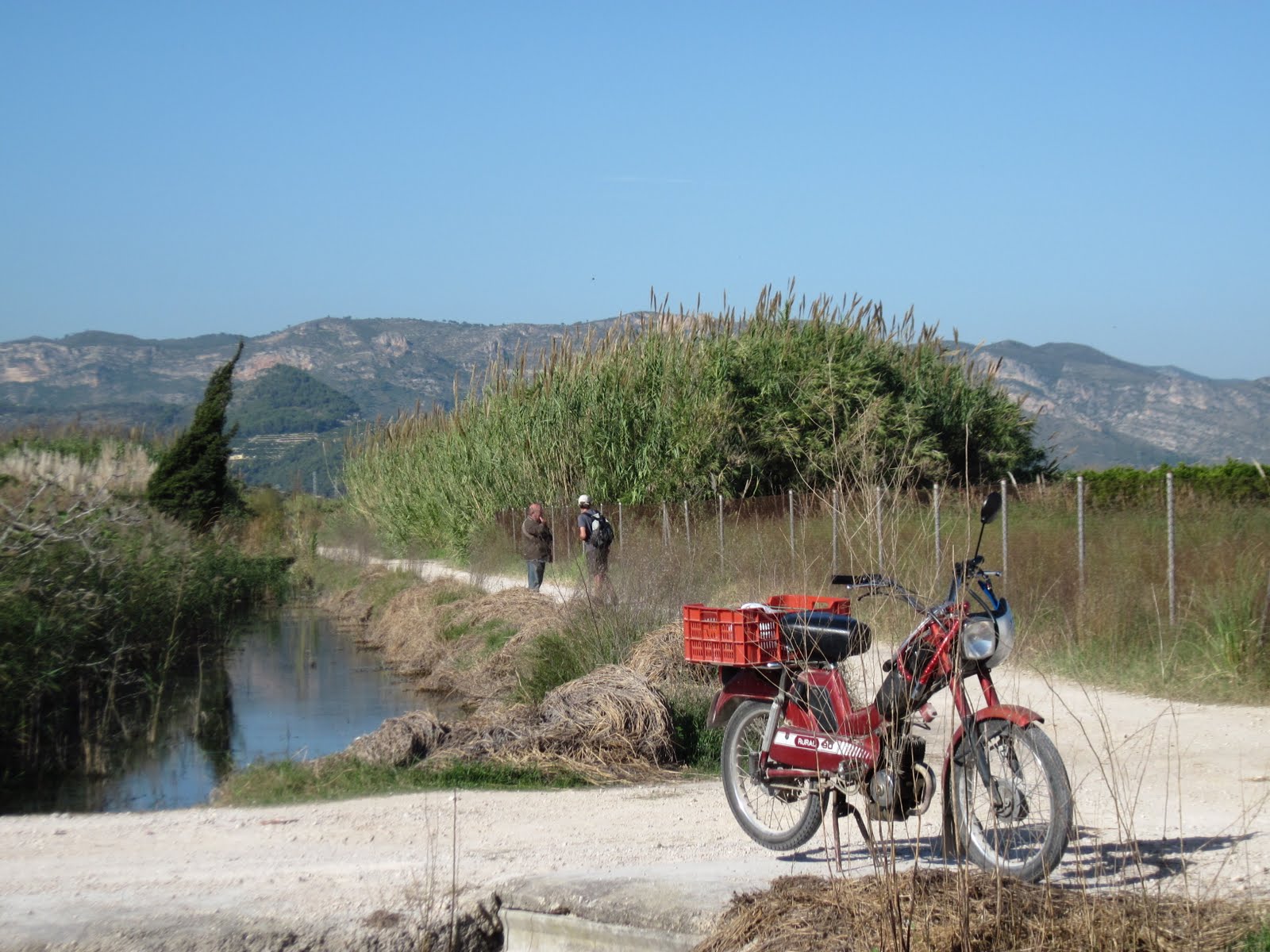
The photograph with this blog is Anthony conversing with an amiable man we met while walking through the orange groves near Gandia. He seemed to be responsible for checking the well being of the irrigation ditches and he did this by driving around the lanes between the orchards on his motorbike. He told us lots about his work and the area, but as it was all in Spanish much of it went over our heads. We explained that we spoke little Spanish and kept apologising for not understanding, but he continued to talk in the hope that something was getting through.


Saturday, 14 November 2009

I see friends shaking hands


We treated ourselves to another day out in a city; we had read our Lonely Planet guide, but were unprepared for how fantastic Valencia would be. From the moment we stepped out of the Estacion del Norte and marvelled at the mosaics of oranges around the Modernista station building we were hooked.

We walked across the marble pavements of impressive plazas, joined the crowds at an open air exhibition of Rodin sculptures, drank tiger nut milk (Horchata) and giggled when asked if we wanted this with Fartons (yes honestly), wandered around the huge bustling Modernista market hall decorated with yet more oranges and had a fantastic vegan lunch in a meat-free restaurant.

In the afternoon we sought to walk off lunch in the Jardines del Turia; the former river bed of the Turia river. After particularly devastating floods in 1957, Valencia diverted the course of the river and now use the route of the abandoned river as a 9 kms green space. In the centre of the city you find an oasis for cycling and walking, with football fields, a rugby pitch and a skate boarding park, there are benches, and gardens for relaxation, all crossed by bridges and the bustle of the city traffic above you. The warmth of this calm and welcoming space sums up the attractiveness of Valencia.

The Spanish seem to understand public spaces and how to design them so they can be enjoyed: there are always places to find shade from the sun, benches to relax on, cafes, children's play areas and public art. We sat and watched people moving around the splendid Plaza de la Virgen; smart young Spanish couples doting on their well dressed children while they fed the pigeons, friends meeting up, business men talking earnestly on their mobile phones, older women walking their poodles and lustful teenagers wrapped up in each other.

Thursday, 12 November 2009

Grab that cash with both hands and make a stash


Tuesday is what Anthony calls our ‘Day of Reckoning:’ we set off on this trip on a Tuesday, so this is the day we go through our cash book to see what we have spent our hard-saved euros on during the past seven days. Anyone who has ever worked with Carol will not be surprised to know that we have an Excel spreadsheet to record the weekly spending; this allows for analysis of our expenditure, including projections for future spending, or to put it simply, do we have enough money to last until next April? At the moment the answer to this question is yes!
We are impressed with how the Spanish manage their natural habitats. Generally, any area marked as a nature park, whether local, regional or national, will have a car parking area, information boards and way marked paths. The town planning is less impressive and we have seen numerous examples of inappropriate developments, half finished projects and soulless resorts built for seasonal use, that are ghost towns by November. Local planning is a minefield in Spain; for every slack local mayor, there are others who have struggled to place restrictions on developers.
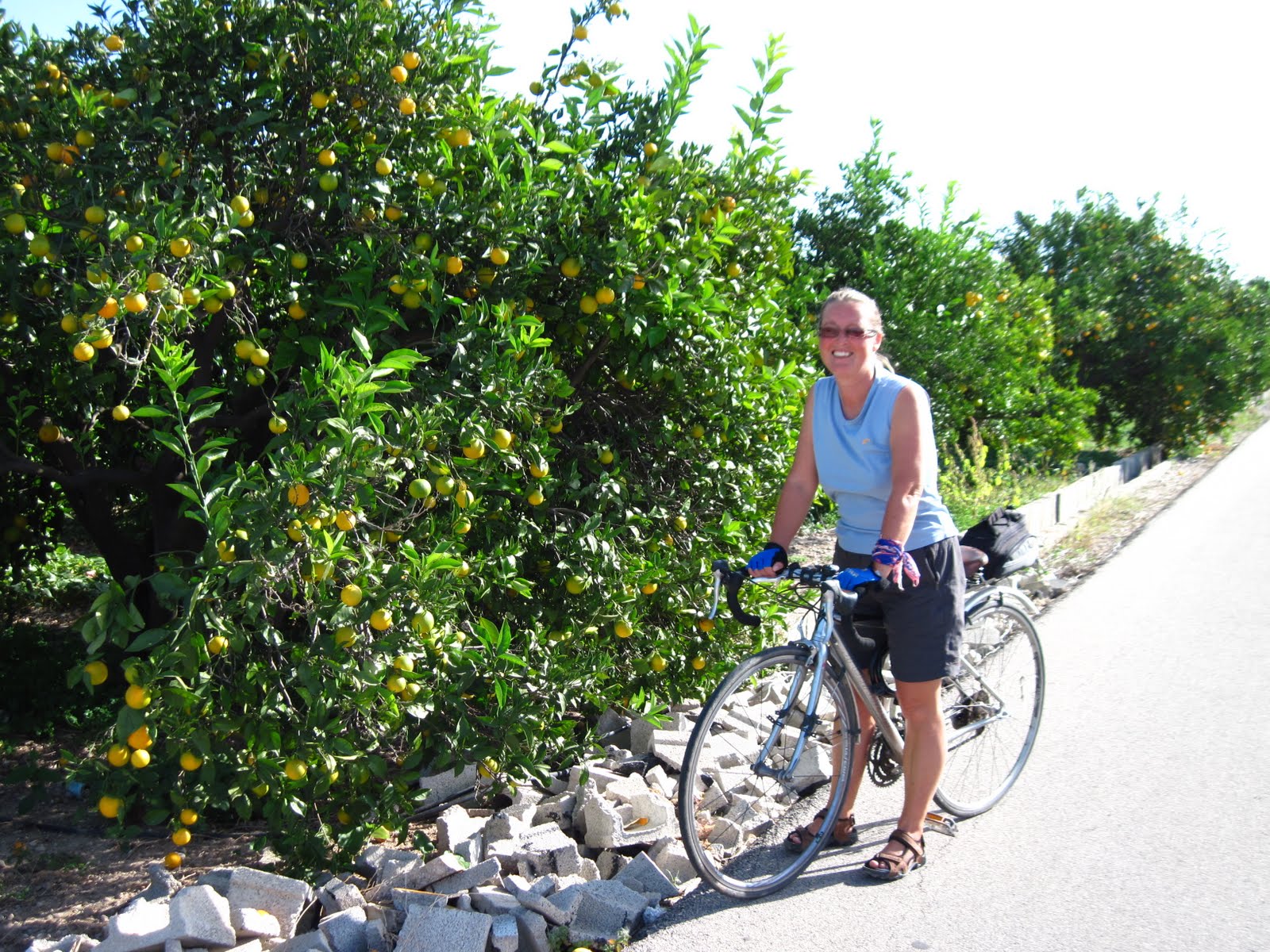
We stopped at Moncofa for a couple of nights because the camp site receives good reviews. However, this purpose built resort is not really our cup of PG Tips, yet even here there are contrasts. We cycled to the edge of the resort where some new blocks are being constructed, while shells of others languish unfinished. Between here and the next resort is an area of orange trees, meadows and wetlands; we had to stop while hundreds of sheep crossed the road from one meadow to the next, accompanied by bare-back riding Cattle Egrets, herded by one shepherd and his dog. We refuse to be jaded travellers, there is always something new and interesting to see, no matter where you are. Picking oranges from a tree and enjoying the sweet, fresh taste as we stroll back to the camp site in the evening sunshine – you can’t do that in Salford!

Monday, 9 November 2009

A man comes on and tells me, how white my shirts could be


Living on camp sites can take you back to a much simpler life; hand washing clothes is a good example. Most camp sites have specially designed laundry sinks with a sloped wash board, similar to those at restored communal wash houses we have seen in many villages. In France and Italy these sinks were voluminous affairs, large enough to bath an active eight year old in: in Spain they are still deep enough to allow your clothes to freely circulate, but don’t take mega litres of water to fill. Washing clothes in the sunshine, elbow to elbow with bronzed, healthy German pensioners is like being in a black and white musical and if someone burst into song it would not seem out of place. Hand washing is environmentally friendly in terms of energy use, but can use more water than a machine and we are very aware that water is a precious resource in this part of Europe.

The Spanish are clearly concerned about their environment. Banners and placards on buildings and fences are a regular sight in Spain. Around Girona the protest was regarding a proposed huge electricity cable between France and Spain. North of Peniscola, we cycled past numerous banners against a development on the one stretch of coast free of hotels, apartments and a promenade, where orange trees still grow and fields of artichokes and cabbages flourish.

We continue to make an effort to see as much of Spanish life as we can. Cyclists always need cafes and we stopped at a pleasant one in Vinaros, over looking the harbour. The Lonely Planet Guide writes Vinaros off as being ‘fairly grim’. However, we found it pleasant and entertaining:at a nearby table of two couples, drinks were thrown in faces, voices raised and faces slapped; a real-life soap opera moment.

Young men in padded clothing and helmets gathered in Peniscola on Sunday morning to take part in 'Urban Down', a race down the steep narrow cobbled streets and steps of the old town, a sport only marginally less dangerous than bull running.

Thursday, 5 November 2009

When I get older, losing my hair, many years from now


It is interesting to be in Spain out of season: few camp sites are open, so the ones that remain available are fairly busy and it can seem to campers that there are lots of holiday makers around. However, in the towns it is clear that the hotels are closed, the apartments shut up for the season, shops and bars are boarded up and few people are around to enjoy the autumn sunshine.

Most of the campers in Spain are retired people, a little older than we are, although a few lucky ones with good pensions are not much older! They are generally from Germany, the Netherlands or the UK. Most are here for a month or two of sunshine, intending to return to the UK by Christmas; we’ve not met many who have as long as we have.

We stayed on a lovely, small camp site near to L’Ametlla de Mar, set in a nature reserve, so we had to give it a try. On a warm and sunny day we walked along the coastline, only passing the occasional Spanish jogger and had delightful bay after delightful bay to ourselves. There are still flowers on the Rosemary and the Bell Heather and butterflies, dragonflies and crickets still flit around as if it were August.

The Elbre Delta is a flat expanse of reeds, rice fields, irrigation channels and lagoons, dotted with small farm houses. The area is managed as a natural park and we visited some of the hides to watch the birds; including Red Crested Pochards and Purple Gallinule in the lagoons, with Marsh Harriers flying overhead and Common Sandpipers pottering in the mud. From the tall hides you get a fantastic feeling of space, and we sat in one lofty viewpoint drinking mugs of coffee we’d made in the van. We were joined by a Spanish family; and with only a few shared words between us were able to share our binoculars and our enjoyment of such a beautiful area.

Wednesday, 4 November 2009

Things ain't cooking in my kitchen

Our latest video shows Carol cooking our evening meal in the van. We mostly use a single electric hotplate to cook our meals, although the van does have a two burner gas ring and oven if the camp site doesn't have enough amps for the hotplate, or if we want to cook something in the oven. This makes good use of electric hook ups and means we don't have to source Gaz bottles on a regular basis.

We normally shop for food on days we are moving between camp sites; stopping at a supermarket on our route to stock up. We have been pleased to be able to find soya milk, one of our staple foods, everywhere, although the price has ranged from around 1 Euro for a litre carton in Spain to around 2 Euro 60 in Italy.

Sunday, 1 November 2009

Darkness falls across the land, the midnight hour is close at hand


We camped at Vilanova I La Giltru, near to Sitges, so that we could take the train in to Barcelona. The camp site is large enough to be a village in it's own right and has all facilities you would expect from a Category One camp site; Spanish camp sites are categorised one to three, with one being the best.

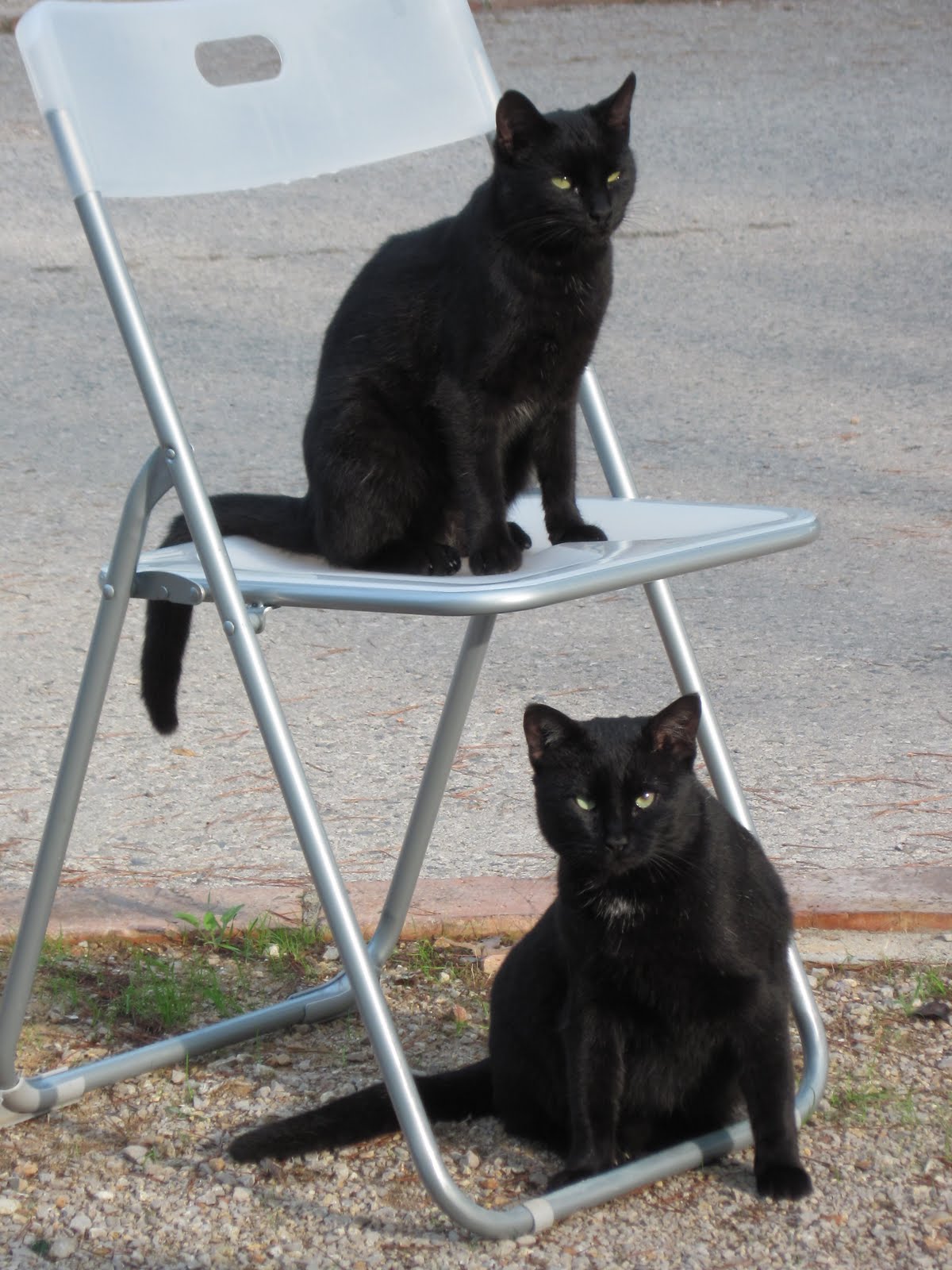
The Spanish celebrated Halloween during our stay and spent some time decorating their caravans and bungalows with fake cobwebs, pumpkins and skeletons. In the dark the children dressed up and wandered around the site; we were grateful no one knocked on our van, as we don't know the Spanish for trick or treat. We did wake up the next morning to find three beautiful black cats sitting outside the van; no doubt left behind by a coven of forgetful witches. Fortunately the camp site has an industrial scale feeding station for the numerous wild cats here, a different experience to Italian sites.

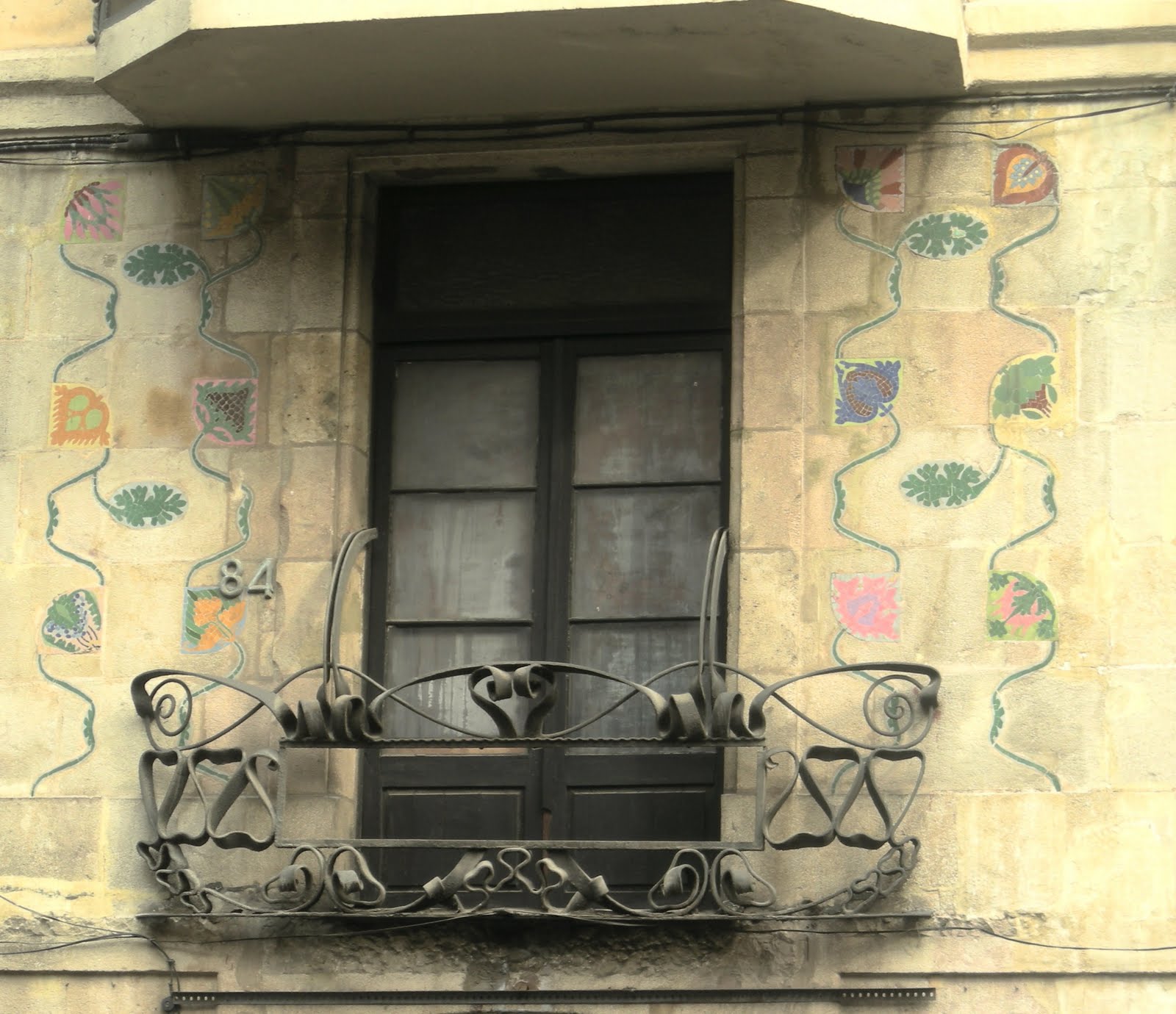
Barcelona was thrilling; full of visitors, fantastic buildings and interesting streets. We enjoyed comparing the Medieval buildings in the Barri Gothic with the Modernisme buildings of Gaudi and others in the grid-pattern streets of the Eixample. We also enjoyed a good lunch of various veggie tapas and a glass of red wine!